

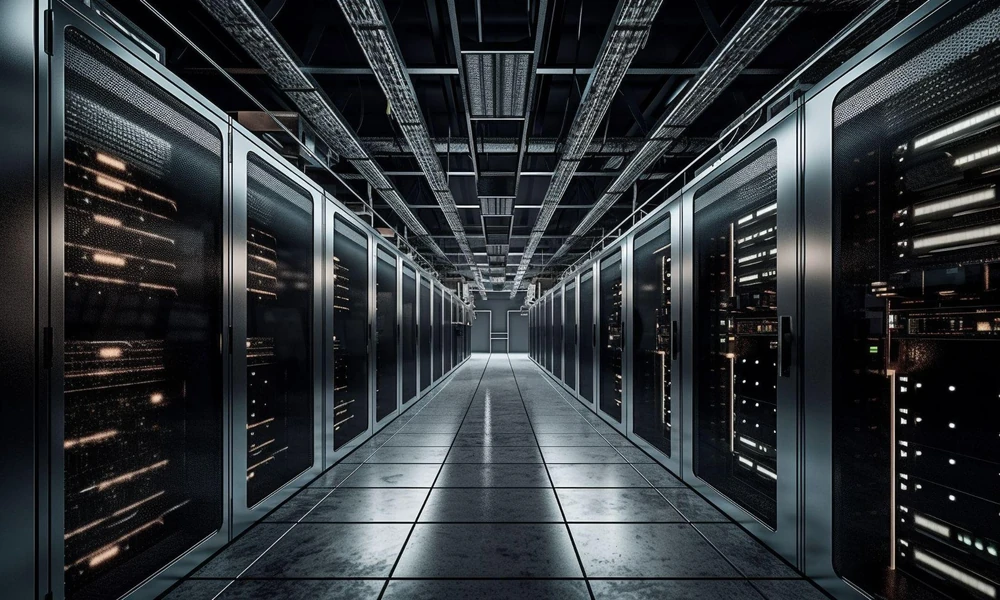
Modern technological infrastructure produces immense heat loads within tight physical footprints. Standard air conditioning systems designed for human comfort fall drastically short when applied to mission-critical hardware environments. Facilities like data centres, medical laboratories, and telecommunication hubs require specialised temperature and humidity control to prevent catastrophic system failures. Understanding the operational differences between comfort cooling and precision cooling equips facility managers to protect sensitive electronic infrastructure effectively.
Heat Types and Thermal Loads
Human occupants and electronic server racks generate heat in fundamentally different ways. Comfort cooling units prioritise sensible and latent heat removal in roughly equal measure. Humans release moisture through perspiration and respiration, requiring standard air conditioners to dedicate up to 30% of their energy towards dehumidification.
Conversely, electronic equipment produces almost exclusively sensible heat-dry thermal energy without moisture. Critical environments demand high sensible heat ratios (SHR) of 90- to 95%. When standard comfort systems operate in server rooms, they over-dehumidify the space. This excessive moisture removal wastes immense amounts of electrical power and increases static electricity risks. Precision cooling systems focus energy almost entirely on sensible heat removal, ensuring maximal thermal efficiency for equipment-dense rooms.
Airflow Volume and Dynamics
The speed and volume of air movement define another vital distinction between these two cooling strategies. Comfort cooling moves air at lower velocities to maintain quiet, draft-free environments for office workers. These units cycle air through a space roughly four to eight times per hour.
Critical infrastructure demands massive air volumes delivered continuously at high velocities to disperse concentrated heat pockets. Advanced cooling architecture continuously circulates air at thirty to sixty air changes per hour. High air velocity prevents hot spots from forming behind dense server racks. Specialised handler units, such as a CRAH (Computer Room Air Handler), push massive volumes of chilled air through raised floors or targeted containment aisles directly into server intakes.
Operational Tolerances and Environmental Control
Office spaces tolerate noticeable environmental fluctuations without issue. A temperature swing of 2 or 3 degrees Celsius barely registers to office staff, and daily relative humidity variations between 30 and 60% remain acceptable.
Data hardware and laboratory equipment fail under such inconsistent conditions. Rapid temperature spikes cause delicate microchips to expand and contract, leading to micro-fractures over time. High humidity causes corrosive condensation on circuit boards, while low humidity triggers electrostatic discharges that destroy components instantly. Specialised climate infrastructure holds ambient temperatures within tight bands of plus or minus 1 degree Celsius and maintains relative humidity within strict narrow limits around the clock.
Operational Profiles and Equipment Longevity
| Feature | Comfort Cooling Systems | Precision Cooling Systems |
| Primary Design Goal | Human comfort and latent heat (moisture) removal | High-density sensible heat removal for hardware |
| Sensible Heat Ratio (SHR) | 0.65 – 0.75 (35% energy spent on dehumidification) | 0.90 – 0.95 (Focused entirely on dry heat removal) |
| Air Circulation Rate | 4 to 8 air changes per hour | 30 to 60 air changes per hour |
| Operating Duty Cycle | Seasonal / 8 to 12 hours per day | 24/7/365 continuous heavy-duty operation |
| Environmental Tolerance | to temperature tolerance | Tight control with strict humidity regulation |
Standard commercial air conditioners operate seasonally or during normal business hours. Their internal compressors, fan motors, and control boards undergo frequent cycling and rest periods. Running a standard residential or commercial AC continuously twenty-four hours a day quickly burns out its mechanical components.
Dedicated environmental control platforms feature industrial-grade components rated for continuous 24/7/365 operation. Incorporating dual refrigeration circuits, variable-speed EC fans, and intelligent microprocessors, a CRAH system adapts dynamically to changing heat loads without shutting down. These robust units operate continuously for years under demanding conditions while maintaining high efficiency.
Protect Your Critical Infrastructure Today
Securing high-density technology demands robust, enterprise-grade environmental management tailored to strict operational requirements. Upgrade your facility with reliable, energy-efficient precision cooling systems built specifically for continuous uptime.
Frequently Asked Questions
Why can’t I just use a commercial office air conditioner in my small server room?
Commercial office units lack the sensible heat ratio needed for server heat loads. They spend unnecessary energy removing moisture while failing to move sufficient air volume to eliminate localised rack hotspots, ultimately risking hardware overheating and premature AC compressor failure.
What is the primary operational difference between a CRAC and a CRAH unit?
A CRAC (Computer Room Air Conditioner) unit uses direct expansion (DX) refrigeration cycles with internal compressors to cool air directly. A CRAH (Computer Room Air Handler) unit utilises chilled water supplied from a central facility chiller plant, using a cooling coil and fan system to regulate high-density thermal loads efficiently.
How does precise humidity control prevent server failure?
Excessive humidity causes moisture condensation on sensitive microelectronics, triggering electrical short circuits and rapid corrosion. Conversely, extremely low humidity creates static electricity hazards; precise environmental control keeps relative humidity within safe operational thresholds to mitigate both risks.
Contact Canatec to design and deploy specialised cooling solutions designed for your critical infrastructure needs!
